🌿 HISTORY & TRADITION
6,500 Years of Indigo Wisdom
1. The Origins of Indigo — A 6,500-Year Journey
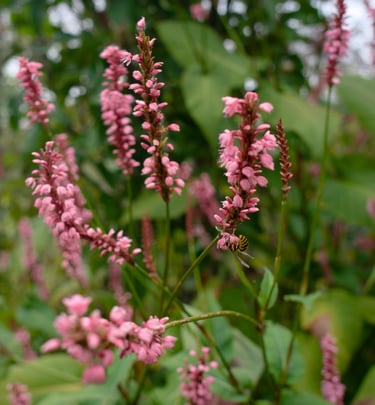
Japanese Indigo (Persicaria tinctoria) belongs to one of the oldest medicinal plant traditions on Earth.
Archaeological evidence traces indigo dyeing all the way back to 3000 BCE, where remnants of dye vats were discovered in the ruins of the Indus Valley Civilization.
By around 300 BCE, indigo began traveling along the Silk Road, reaching Egypt, Persia, China, and eventually Japan.
It became a global treasure—valued for its color, healing properties, and ability to preserve textiles.
2. Indigo Comes to Japan
Indigo arrived in Japan during the Nara period (8th century) via China and the Korean Peninsula.
Among the earliest surviving examples of Japanese indigo-dyed textiles are those preserved at Hōryū-ji and Shōsōin, still beautifully intact over 1,300 years later.
The indigo used was specifically tade-ai, cultivated by ancient communities such as the Izumo clan.
This plant became deeply embedded in Japanese culture—both in everyday life and in healing traditions.
3. Indigo in the Samurai Era
During the Sengoku period, one shade of indigo became legendary: Kachi-iro (勝色)—
the “color of victory.”
Samurai dyed their undergarments and armor straps with indigo because they believed it brought courage and protection. But this wasn’t just superstition:
Indigo’s antibacterial and anti-inflammatory effects helped prevent infection and reduce inflammation in battle wounds.
4. The Birth of Japanese Indigo Craftsmanship
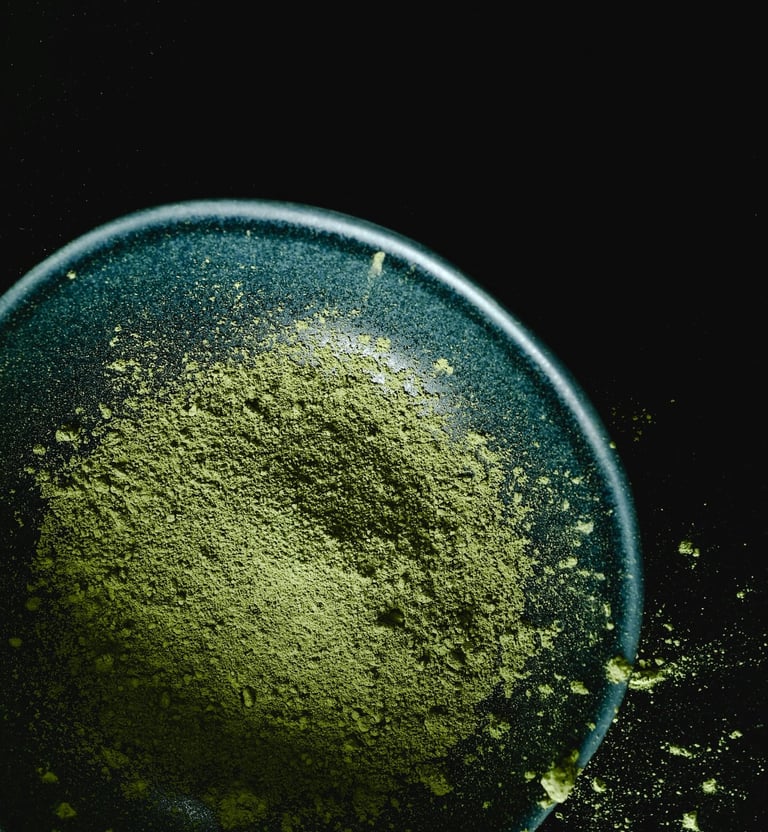
In the same era, the method of creating sukumo (fermented indigo leaves) developed—a technique still used today by traditional Japanese dyers.
By the Edo period, indigo dyeing was everywhere:
workwear
kimono
bedding and towels
noren shop curtains
farmers’ clothing that needed durability and odor resistance
In this era, Tokushima indigo—Awa-ai—became Japan’s most prized indigo, dominating the market.
5. The Decline and Preservation of a Heritage
When inexpensive Indian indigo and chemical dyes appeared, Japanese indigo farming sharply declined.
During wartime, food production took priority, and indigo—being a non-food crop—was severely restricted.
Only a few farming communities continued the tradition.
This is why true Japanese Indigo is extremely rare today.
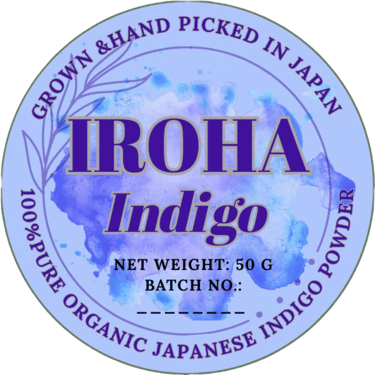
IROHA’s indigo is grown by one of these few remaining mountain farmers dedicated to protecting this ancient craft.
6. Indigo as Medicine — The Forgotten Pharmacopoeia
Long before it became a dye, indigo was a healing herb.
Indigo appears in some of the oldest medical texts:
Shennong Ben Cao Jing (China)
→ Detoxifying, cooling, purifying, longevity-supportingHonzo Wamyo (Japan, 918 AD)
→ Antipyretic (fever reduction)Wakan Sansai Zue (1712)
→ “Purifies the organs and removes toxins”Traditional medicinal uses included:
Fever reduction
Detoxification
Cooling inflammatory heat
Throat inflammation
Skin irritation, rashes, mosquito bites
Bleeding
Digestive upset
Menstrual irregularities
General vitality
“Indigo merchants rarely fell ill.”
This Edo-period saying came from real experience—indigo workers handled antibacterial leaves daily.




Our Gallery
A visual journey through iroha indigo’s story
Contact Us
Reach out for questions or collaborations
Imported from Japan, packed in Australia by:
IMAKOKO Herbs
IROHA Indigo TM
FNQueensland
Mullumbimby, Australia
Osaka, Japan
© 2025. All rights reserved.
Subscribe for updates and new products!